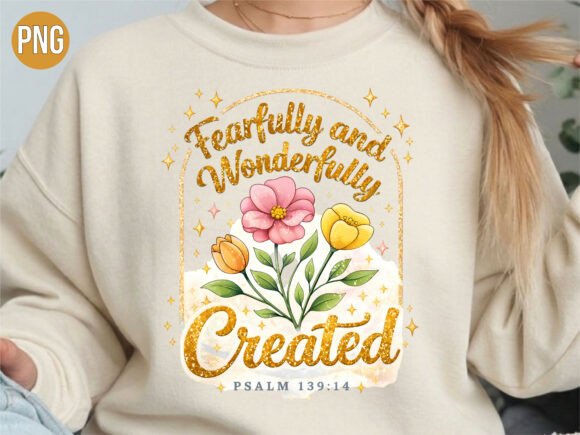
Fearfully Wonderfully Created PNG Shirt: A Guide to High-Quality Digital Design
In the bustling world of print-on-demand and DIY crafting, finding a design that resonates emotionally while meeting technical standards is often easier said than done. The phrase "fearfully and wonderfully made" carries deep spiritual and personal significance for many, making it a popular choice for apparel and home decor. However, simply having a meaningful message is not enough to guarantee a professional final product. Many creators rush into purchasing digital assets without fully understanding the technical nuances that separate a amateur-looking print from a crisp, retail-quality item. This guide explores the essential considerations when working with a Fearfully Wonderfully Created PNG Shirt design, helping you avoid common pitfalls and ensure your creative projects stand out for all the right reasons.
Understanding the Value of High-Resolution Digital Files
When you invest in a digital design file, you are not just buying an image; you are acquiring the foundation of your physical product. The quality of this foundation dictates the ceiling of your final output. A high-quality digital design file, such as the one described here, offers a 300 DPI (Dots Per Inch) resolution. This metric is critical because it determines how sharp and clear the image appears when printed. Lower resolution files, often found in free online repositories, may look acceptable on a computer screen but will appear pixelated, blurry, or jagged when transferred to fabric or ceramic.
The inclusion of a transparent background is another non-negotiable feature for serious creators. Unlike JPEGs, which impose a white or colored box around the design, a PNG with transparency allows the design to sit seamlessly on any colored garment or substrate. This flexibility is vital for maintaining aesthetic integrity, especially when printing on dark heather gray shirts or vibrant tumblers. Without this feature, you would need to manually remove the background using complex software, a step that often results in lost detail or awkward edges if not executed perfectly.
Common Mistakes That Compromise Your Final Product
Even with access to premium assets, errors in handling and preparation can undermine your efforts. One of the most frequent misunderstandings involves the file format itself. Many beginners assume that any image file can be used interchangeably across all platforms. This is incorrect. While PNGs are versatile, they are not universally supported by every legacy cutting machine or older design software without proper configuration. Failing to verify compatibility before purchase can lead to wasted time and frustration.
Another significant error is neglecting to unzip and extract files properly. Digital designs are typically compressed into ZIP folders to maintain file integrity during transfer. Some users attempt to open or import the design directly from within the zipped folder. This often causes software glitches, corrupted previews, or failed uploads. Always extract the contents to a dedicated folder on your hard drive before beginning your design work. This simple step ensures that your software reads the file metadata correctly and prevents unexpected crashes during the creative process.
Additionally, many creators overlook the importance of color profile management. While a 300 DPI PNG is resolution-ready, the colors you see on your monitor may not match the final print due to differences between RGB (screen) and CMYK (print) color spaces. Ignoring this discrepancy can result in muted tones or shifted hues, particularly with intricate typography or subtle gradients. To mitigate this, always order a physical proof before committing to a large batch of inventory. This allows you to adjust brightness and contrast settings in your design software to better align with the printer’s capabilities.
Maximizing Versatility Across Different Projects
The utility of a well-crafted PNG extends far beyond t-shirts. The same Fearfully Wonderfully Created design can be applied to a wide array of products, each requiring slight adjustments in scaling and placement. For instance, when applying the design to a mug, you must account for the curvature of the surface. Placing text too close to the handle or the rim can make it difficult to read or uncomfortable to hold. Similarly, for stickers and decals, ensuring that the design has sufficient contrast against the background material is crucial for visibility.
For home decor items like pillows and posters, scale becomes the primary concern. A design that looks balanced on a chest pocket may appear lost on a large throw pillow. Conversely, stretching a small graphic to fit a poster can reveal imperfections that were invisible at smaller sizes. Because the provided file is ultra-crisp at 300 DPI, it retains quality even when enlarged, but you must still respect the aspect ratio. Distorting the image to fit a specific dimension will warp the typography and diminish the professional appeal of the piece.
Scrapbooking and journaling enthusiasts also benefit from transparent PNGs, as they allow for layering elements without obscuring underlying photos or textures. However, when printing these smaller items, ensure your printer settings are adjusted to "high quality" or "photo" mode. Standard draft settings often reduce the effective resolution, negating the benefits of the high-DPI source file.
Pre-Purchase Checklist for Smart Creators
Before finalizing any digital purchase, take a moment to evaluate your current workflow and equipment. This proactive approach saves money and ensures a smoother creative experience. Consider the following points:
- Software Compatibility: Confirm that your design platform (whether Canva, Photoshop, Illustrator, or Cricut Design Space) supports PNG imports with transparency. Most modern tools do, but verifying this prevents last-minute hurdles.
- Intended Use Case: Are you creating for personal use or commercial resale? Ensure the license terms of the digital file align with your business model. Most POD-friendly designs allow for commercial use, but it is always wise to double-check.
- Device Capabilities: If you are using a mobile device for quick edits, ensure your app can handle high-resolution files without lagging. Larger files require more processing power.
- Storage Organization: Have a system in place for storing downloaded assets. Keeping a organized library of unzipped files helps you locate designs quickly when inspiration strikes.
Elevating Your Brand with Quality Assets
Ultimately, the success of your creative project hinges on the quality of its components. Using a premium Fearfully Wonderfully Created PNG Shirt design signals to your customers that you value excellence. It reflects a commitment to clarity, durability, and aesthetic appeal. By avoiding common technical mistakes and leveraging the versatility of high-resolution transparent files, you can expand your product line with confidence.
Remember that digital design is both an art and a science. The emotional resonance of the message draws people in, but the technical precision of the file keeps them coming back. Whether you are printing on tumblers, greeting cards, or journals, the principles remain the same: start with a high-quality source, respect the technical requirements of your medium, and always test before you scale. With these practices in mind, you are well-equipped to turn a simple digital download into a standout physical product that inspires and delights.